Developing as an educational professional
“Those people who develop the ability to continuously acquire new and better forms of knowledge that they can apply to their work and to their lives will be the movers and shakers in our society for the indefinite future.”
- Brian Tracy
Making goals
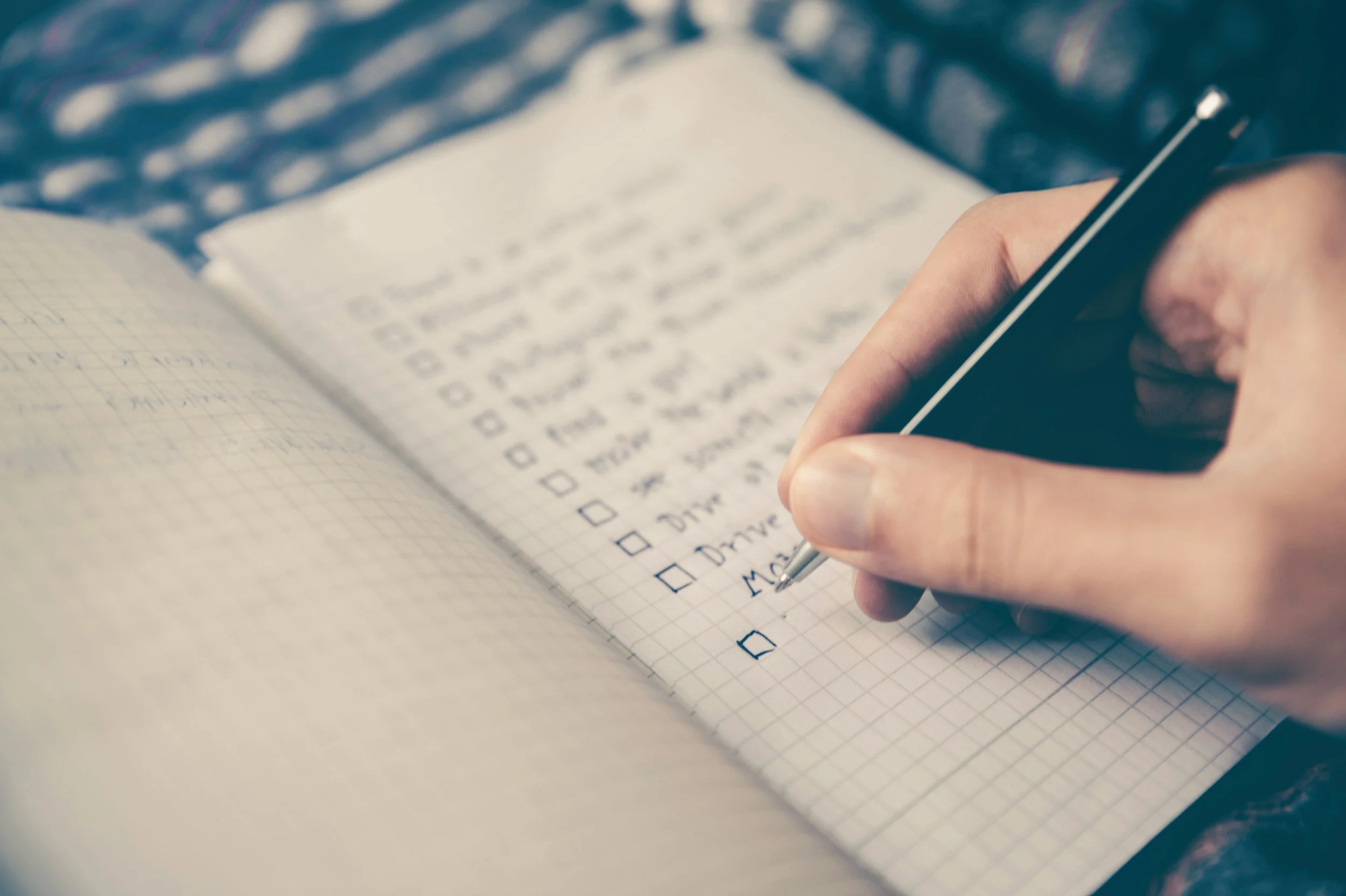
Each year, instead of making a single resolution, I set about ten personal goals that help keep me grounded and bring balance to my life as an educator. These goals play an important role in maintaining a healthy and sustainable work-life balance. Some are connected to my personal interests, such as writing and illustrating a children’s book, while others are shorter-term, like committing to reading one book each month.
My professional goals are to continue making learning fun and engaging for my students, creating experiences they will remember long after a lesson has ended. I strive to expose students to new ways of seeing and creating, helping them discover possibilities they may have never imagined.
Advice for new teachers
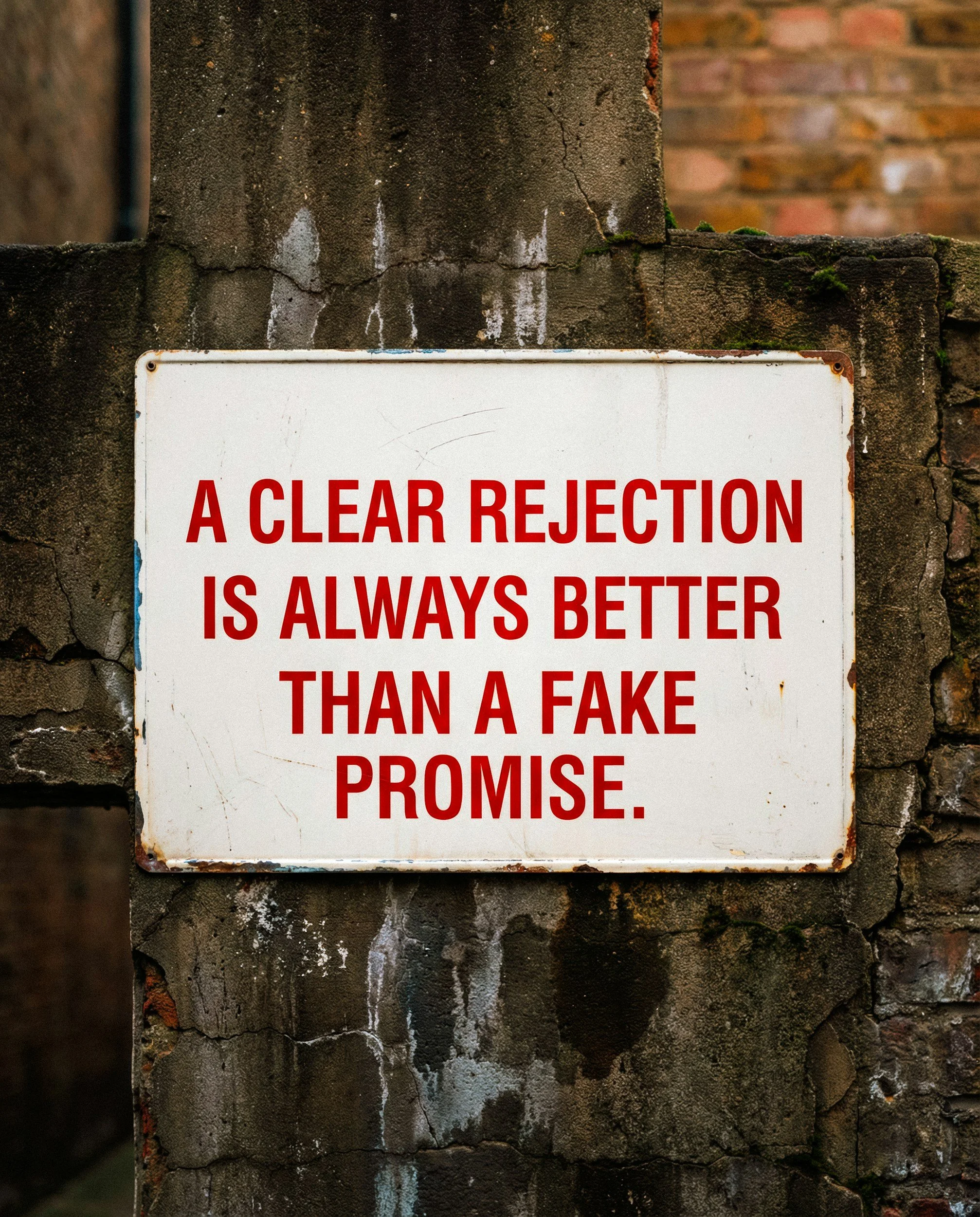
Understand that the culture and climate of a school community will have a far greater impact on your overall experience than you may initially realize, so choose wisely when selecting your new work environment. Take time to learn how the school operates, especially during times of stress. Ask how leadership supports and treats teachers, and whether educators are truly valued as collaborators within the organization. Most importantly, remember that an interview is a two-way process; it is just as much your opportunity to evaluate the school as it is their responsibility to assess you as a viable candidate.
Educational Resources:
Art For Kids Hub
A YouTube channel offering fun, timely drawing activities for a wide range of ages. It encourages low-pressure creativity, and students can engage, follow along, and enjoy the process without focusing on perfection.
Explorations in Art (K–4 Curriculum)
A comprehensive visual arts curriculum designed for elementary learners. It provides diverse, structured lessons that explore multiple techniques and materials appropriate to each grade level.
Art Lessons for Kids
A YouTube resource that breaks down technical art skills into simple, age-appropriate steps. It offers an additional instructional voice, reinforcing concepts while boosting engagement and accessibility for students.