Growth & Development
Growth and development are at the heart of both my work as an educator and my journey as an artist. I believe that learning is an ongoing process that thrives on curiosity, reflection, and a willingness to explore new ideas. By continuously challenging myself to grow creatively and professionally, I strive to model this mindset for my students, encouraging them to embrace challenges, take risks, and see growth as an essential part of their own development.
Inquiry 1- assessment for student learning
〰️
Inquiry 1- assessment for student learning 〰️
Driving Question
What can students gain from thinking critically about their artwork, and how can their work grow as a result?
Where Am I Now?
I am in the early stages of this process, but I have established a strong foundation to make meaningful progress in implementing self-assessment strategies.
Where Am I Going?
I aim to foster a learning environment in which students consistently apply critical thinking when reflecting on their work and use those reflections as just-in-time feedback to guide their next steps.
How Do I Close the Gap?
To achieve this, I will integrate self-assessment as a regular and purposeful part of the creative process, ensuring it becomes a meaningful tool that informs future decisions rather than a task completed in isolation.
Inclusive Practice
Assessments will incorporate multiple ways for students to engage with expectations, including visual supports, written instructions, and verbal explanations, ensuring accessibility for all learners.
Student Learning
This inquiry will directly enhance student learning by providing timely opportunities for reflection and adjustment, empowering students to take ownership of their growth and development.
Inquiry 2- Analyzing data to inform instruction
〰️
Inquiry 2- Analyzing data to inform instruction 〰️
Driving Question
How can consistent self-assessment improve student work over time?
Where Am I Now?
I am currently in the developing stages of implementing self-assessment as a meaningful tool to promote critical thinking and foster continuous learning.
Where Am I Going?
My goal, aligned with CSTP 5, is to equip students with the skills to evaluate their work, progress, and creativity through a more critical lens, enabling them to refine and strengthen their abilities through ongoing practice.
How Do I Close the Gap?
I will bridge the gap between current practice and my goal by incorporating self-assessment multiple times throughout each project and documenting student growth along the way. Students will be able to reflect on their progress by comparing earlier self-assessments with later ones, as well as evaluating the development from their practice work to their final pieces.
Inclusive Practice
The self-assessment process will include both visual and reflective components, providing accessible entry points for all learners.
Student Learning
Through this process, students will gain a clearer understanding of their progress, recognize whether they are on track, and develop the ability to ask targeted questions that support improvement.
Planning for Evidence Collection
I will collect student self-assessments along with physical examples of their work to document and analyze growth over time.
Inquiry 3- "Yes I can" culture
〰️
Inquiry 3- "Yes I can" culture 〰️
Driving Question
How can I make learning in Art accessible to ALL learners?
Where Am I Now?
I have made a more intentional effort this year to support all students, ensuring that no one is overlooked due to classroom blind spots or perceived ability and skill levels.
Where Am I Going?
My goal is to effectively engage all learners, regardless of their skill level, by scaffolding instruction so that every student can access the material, experience success, and build confidence in their artistic abilities.
How Do I Close the Gap?
I will close this gap by being intentional and proactive in planning ahead of lessons, embedding scaffolds within instruction, and identifying students who need additional support to provide targeted, one-on-one assistance.
Inclusive Practice
My inclusive practices will include incorporating more visual supports for students with limited proficiency in the primary classroom language, as well as using students’ primary languages when possible to communicate key ideas and tasks clearly.
Student Learning
These strategies will ensure that all learners feel seen and supported, while providing them with the tools they need to succeed and grow in the classroom.
Planning for Evidence Collection
I will provide examples of adapted instructional materials, such as slides and resources designed to support all learners, along with student work demonstrating growth resulting from these scaffolds.
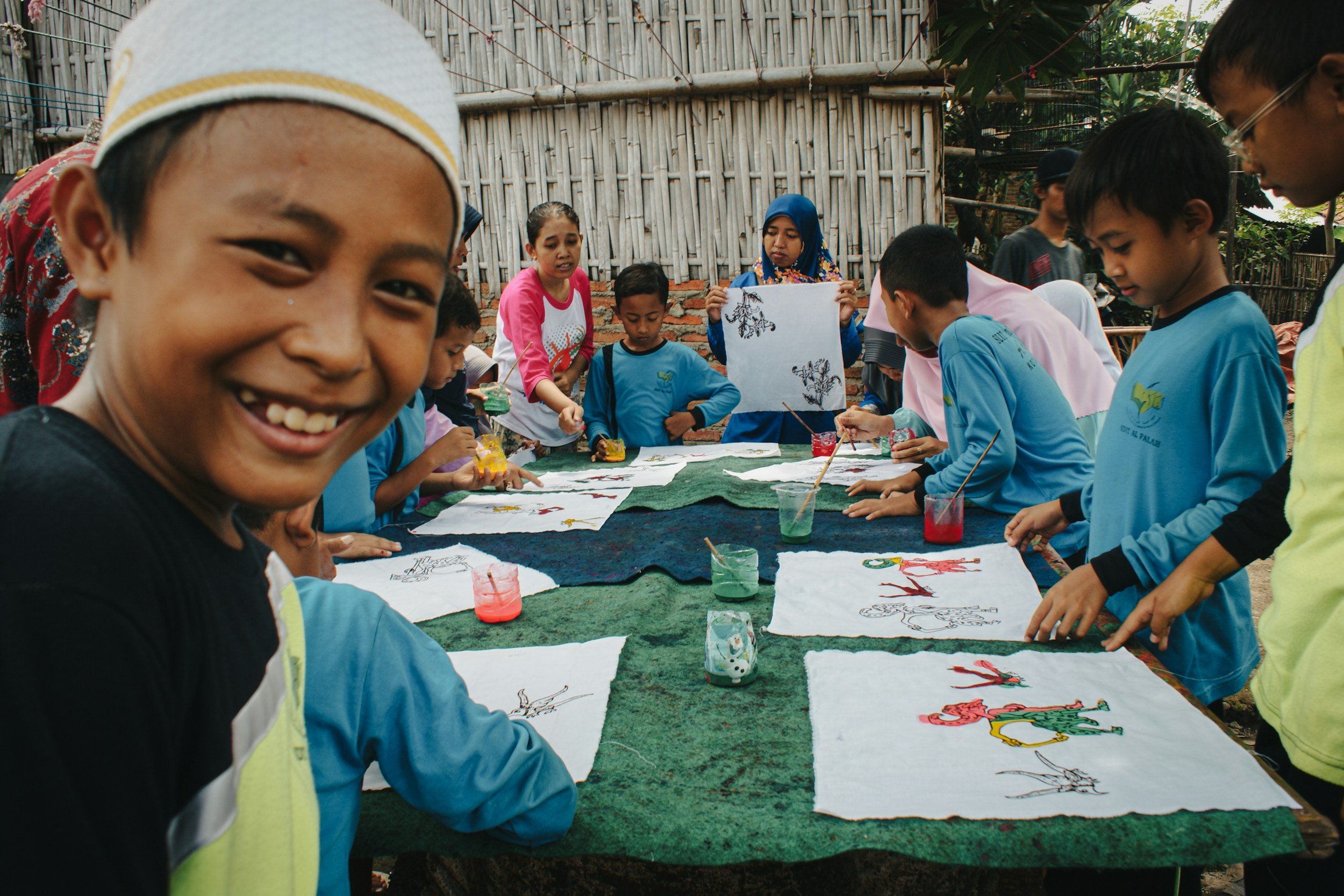
inquiry 4- joy
〰️
inquiry 4- joy 〰️
Driving Question
How can JOY increase student learning?
Where Am I Now?
Currently, my ability to create joy in the classroom varies by grade level and subject matter. While some students and content areas naturally lend themselves to joyful engagement, others present more of a challenge.
Where Am I Going?
My goal is to create a classroom environment where joy in learning is consistently visible and felt. I want observers to recognize this not only during independent work but also throughout instruction, as students actively engage, participate, and contribute to discussions.
How Do I Close the Gap?
To close this gap, I will intentionally design lessons that meet students at their developmental level. This includes incorporating relevant pop culture references and presenting content and tasks in more engaging and meaningful ways through interactive, visually appealing slides. I will measure effectiveness by observing increased student excitement during lesson delivery and a decrease in off-task or distracting behaviors.
Inclusive Practice
My inclusive practices will include using visual supports in slides to enhance language accessibility and provide multiple entry points for all learners, including neurodivergent and multilingual students. Additionally, the imagery and content used will reflect both the diversity of my school community and the broader global community.
Student Learning
This focus on joy is intended to directly impact student learning by making lessons more engaging, meaningful, and enjoyable, ultimately increasing student motivation and participation.
Planning for Evidence Collection
Evidence will include examples of instructional materials, such as slides, as well as observable indicators of student engagement, enthusiasm during lessons, meaningful interaction with developmentally relevant content, and independent participation in learning tasks.